Blog 3 — Mistakes After a Flood

5 Mistakes Minneapolis Homeowners Make After a Flood
Quick Answer
After a flood in your Minneapolis home, do not enter standing water without confirming the power is off, do not throw away damaged items before documenting them for insurance, and do not wait more than 24 to 48 hours to begin drying. Waiting longer than 48 hours dramatically increases mold risk and reduces the chance your insurance claim is fully approved.
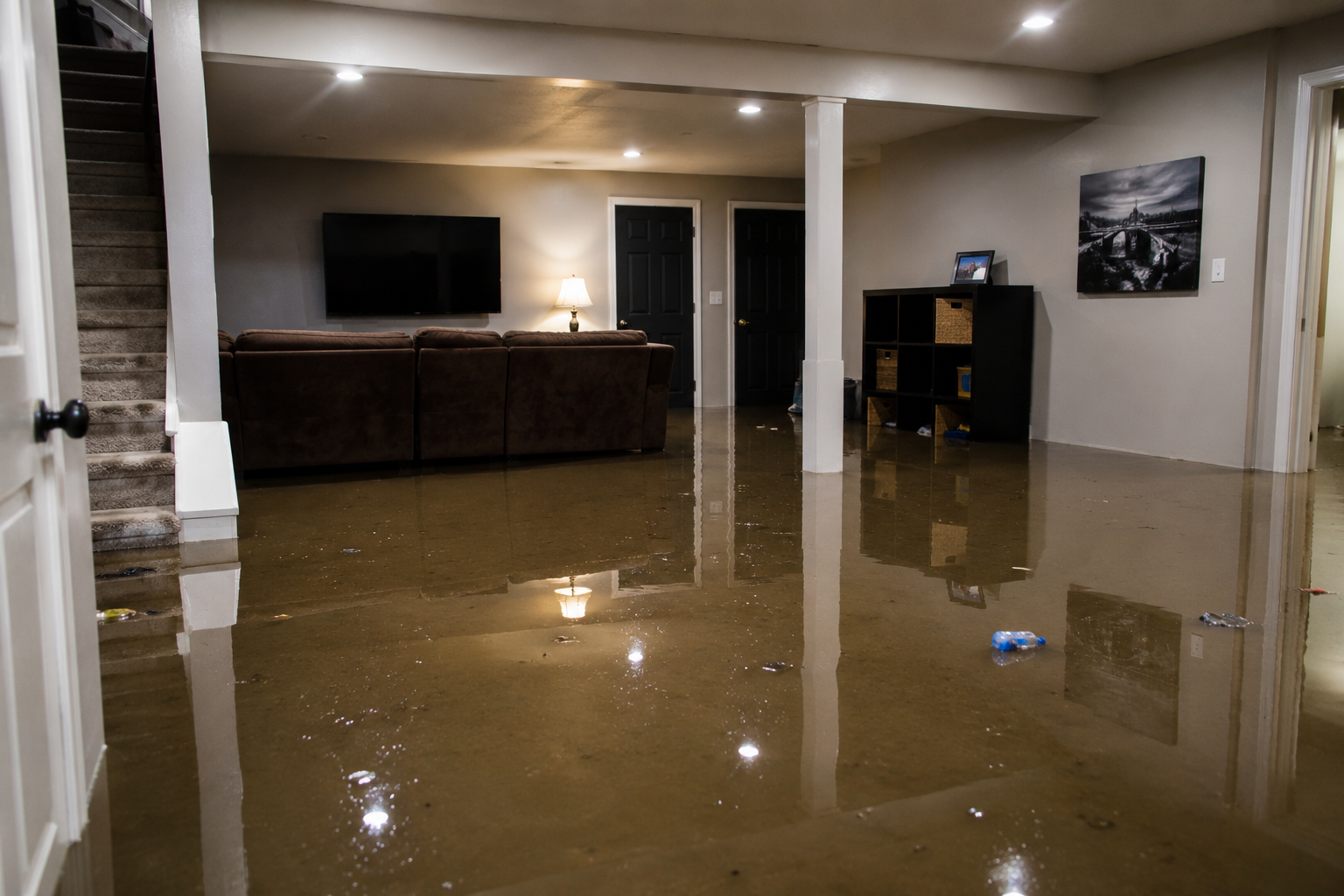
The moments immediately after a flood are some of the most consequential in how a restoration job turns out. I have responded to hundreds of flood calls across the Twin Cities over 12 years, and the jobs that end badly almost always have one thing in common: the homeowner made one of a handful of predictable mistakes in the first 24 hours. Some of these mistakes are about safety. Some are about insurance. Some are about the biology of mold. All of them are avoidable if you know what they are.
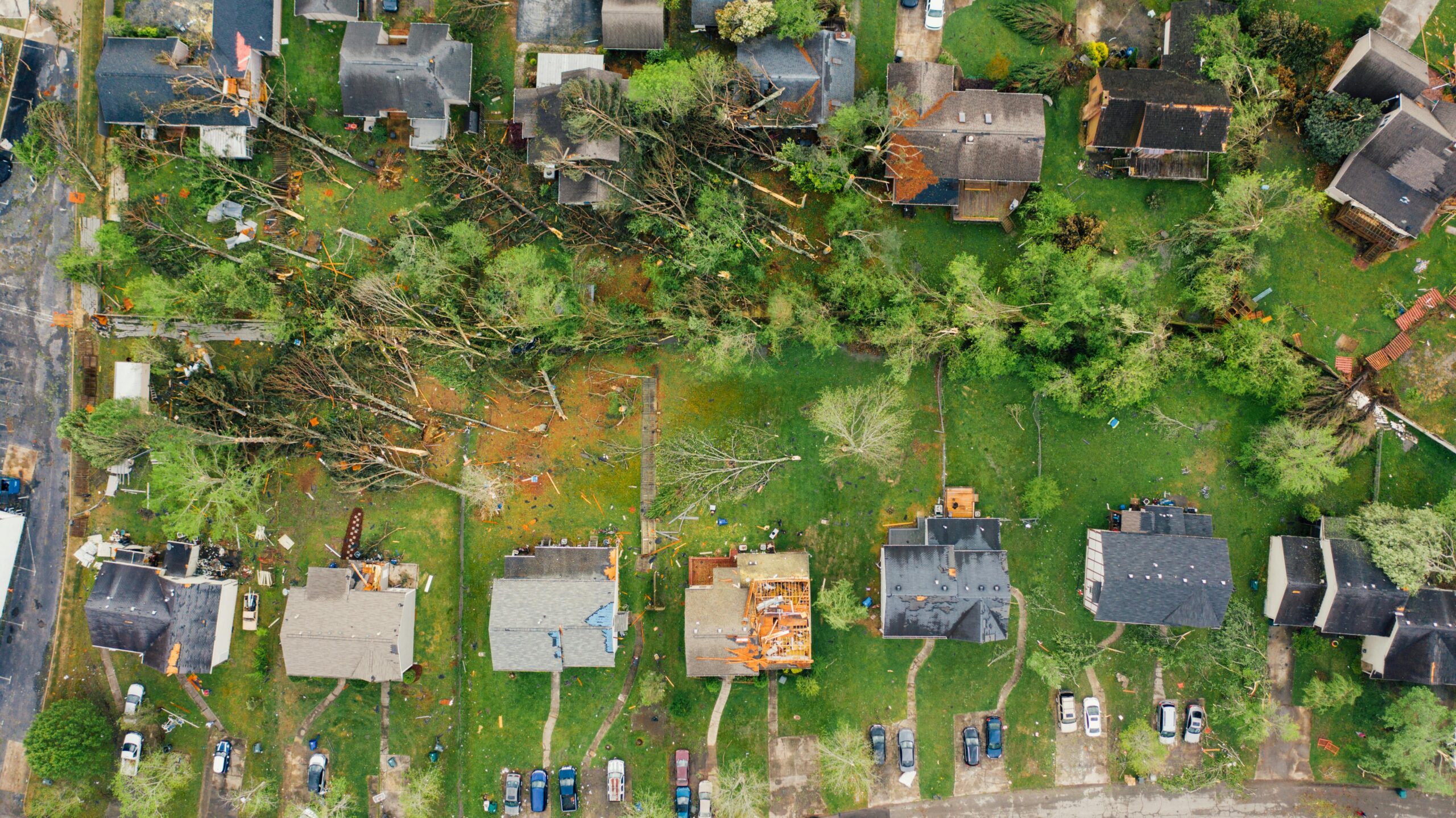
Minneapolis flooding comes from several sources: Minnehaha Creek and Nine Mile Creek overflow during spring snowmelt and heavy summer rain events, storm sewer backups during the high-volume storms that regularly hit Hennepin and Ramsey counties, and sump pump failures during the power outages that often accompany major thunderstorms across the metro. The source does not change what you should do immediately after. But it does affect your insurance coverage, which is one reason why source documentation matters from the very first moments. See FEMA’s guidance on flood response for federal resources as well.
Mistake 1: Walking Into Standing Water Without Checking the Power First
This is the safety mistake that people make when panic takes over. Water and electricity are a fatal combination. If a flood event has water on a basement floor near an electrical panel, near outlets, or near any appliance, you cannot assume the circuit is off. The power to that area needs to be confirmed off at the breaker before anyone enters.
What to do instead: Before entering any flooded space, go to your electrical panel and turn off the circuits serving that area. If the panel itself is in the flooded space, call your utility company to shut off power at the meter before anyone goes near the water. Do not assume. Confirm. Then re-enter.
Mistake 2: Throwing Away Damaged Items Before Documenting Them
The instinct when a basement or living area floods is to start hauling damaged things out. Ruined carpet, soaked furniture, warped boxes from storage. Getting the mess out feels productive. But discarding items before your insurance adjuster or restoration crew has documented them can significantly reduce your claim. Your carrier needs to see what was damaged and assess the value before it leaves the property.
What to do instead: Before moving a single damaged item, take photos and video of everything affected. Walk through every flooded room. Open every closet and storage area. Photograph damage from multiple angles. Write down a list of every item that was affected. Then, and only then, begin moving things. If possible, move damaged items to a dry area rather than discarding them until your adjuster has reviewed the scope. This applies directly to Minneapolis homeowners dealing with sewer backup or Minnehaha Creek area flooding, where coverage questions often come down to exactly what was damaged and what the adjuster saw.
Mistake 3: Trying to Dry the Property With Consumer-Grade Fans and Dehumidifiers
A box fan and a hardware store dehumidifier feel like they should work. They do not, not for structural drying. Consumer-grade dehumidifiers remove moisture from the air in a room. They are not designed to draw moisture out of saturated drywall, concrete block, wood framing, or insulation. Commercial restoration equipment operates at a different scale and uses different placement techniques to pull moisture through building materials, not just from the air above them.
Beyond the equipment gap, consumer drying without monitoring produces no documentation. You have no way to prove the structure is dry at acceptable levels, and no moisture logs to support your insurance claim. Adjusters and carriers know when a mitigation job used non-standard equipment.
What to do instead: Call a certified restoration company. Professional flood cleanup uses commercial extraction units, desiccant dehumidifiers, and calibrated air movers placed according to a drying plan. The job is monitored daily and documented with readings. That documentation is what closes an insurance claim correctly.
Mistake 4: Waiting More Than 48 Hours to Begin the Drying Process
This is the mistake with the most expensive downstream consequences. Mold can begin developing on wet organic materials within 24 to 48 hours of sustained moisture contact. In a Minneapolis basement or lower-level living area with limited airflow, the timeline can be even shorter. Once mold is established, the job expands significantly. What would have been a two-day dry-out with commercial equipment becomes a remediation job with containment barriers, negative air pressure systems, and air quality testing before clearance.
After major storm events that affect multiple properties across the Twin Cities metro at once, there is a natural temptation to wait and see if the water goes down on its own before calling anyone. That calculation almost always costs more than it saves.
What to do instead: Call for help the same day the flooding occurs. If it is a weekend, call the emergency line. If it is 2 a.m., call the emergency line. The emergency water damage response exists precisely because the first hours matter more than any other part of the job.
Mistake 5: Assuming Your Homeowners Insurance Covers All Flood Damage in Minneapolis
This one does not cause physical damage to your home, but it causes significant financial damage to your wallet. Standard Minnesota homeowners insurance policies cover sudden and accidental water damage, such as a burst pipe or a failed appliance. They do not cover surface flooding from storms, overland water flow from events like Minnehaha Creek overflowing its banks, or general storm runoff that enters through foundation walls or window wells. That type of flooding requires a separate flood insurance policy, typically through the National Flood Insurance Program.
Sewer backup is also typically excluded from standard policies unless you have specifically added a sewer backup endorsement. Given the age of the storm and sanitary sewer infrastructure in older Minneapolis neighborhoods, many Twin Cities homeowners carry this endorsement. If you are not sure whether you have it, call your carrier now, before the next event, not after.
What to do instead: Know your policy before you need it. Call your agent and ask specifically: do I have flood coverage, sewer backup coverage, and what documentation does each one require for a claim? Then, when a flood event happens, document the source of water entry immediately. Source documentation is what determines which coverage applies, and capturing it in the first hours of a flood event is much easier than reconstructing it later. Your restoration company should help document source information as part of the initial assessment.
Frequently Asked Questions
Do not enter standing water without confirming the power to that area is off. Do not discard damaged items before documenting them thoroughly for insurance. Do not attempt to dry the property with consumer fans and dehumidifiers instead of professional equipment. Do not wait more than 24 to 48 hours to begin mitigation. And do not assume your standard homeowners policy covers flood damage from storm runoff or Minnehaha Creek area flooding, because it likely does not without a separate flood policy.
Mold can begin developing on wet organic materials within 24 to 48 hours. In a Minneapolis basement with limited airflow and cool temperatures, that timeline does not necessarily extend. Mold growth rate depends on moisture level, organic material availability, and temperature, and basements typically have all three. If water has been standing for more than 48 hours before mitigation begins, a mold assessment should be part of the initial inspection.
Not under a standard policy. Sewer backup coverage requires a separate endorsement that must be added before the event occurs. Given the age of storm and sanitary sewer infrastructure in older Minneapolis neighborhoods, many Twin Cities homeowners carry this endorsement specifically because sewer backup flooding during high-volume rain events is a known risk. Check your policy documents or call your agent to confirm whether you have this coverage before you need it.
Yes, and in most cases you should. Most insurance carriers expect you to begin mitigation promptly to prevent additional damage. Waiting for an adjuster to arrive before doing anything is not required and is often counterproductive because additional damage that occurs while you wait may not be covered. The critical step is documentation: photograph and video everything before moving items or removing damaged materials. Call your carrier to notify them of the loss and ask whether they want a claims inspection before or after mitigation begins.