Blog 2 — Questions to Ask

7 Questions to Ask a Water Damage Company in Minneapolis Before You Hire Them
Quick Answer
To choose a water damage restoration company in Minneapolis, ask whether they are IICRC certified, licensed and insured in Minnesota, whether they provide written moisture documentation, how fast they respond at 2 a.m., and whether they bill insurance directly. The right answers separate qualified restoration contractors from unqualified crews that leave hidden damage behind.
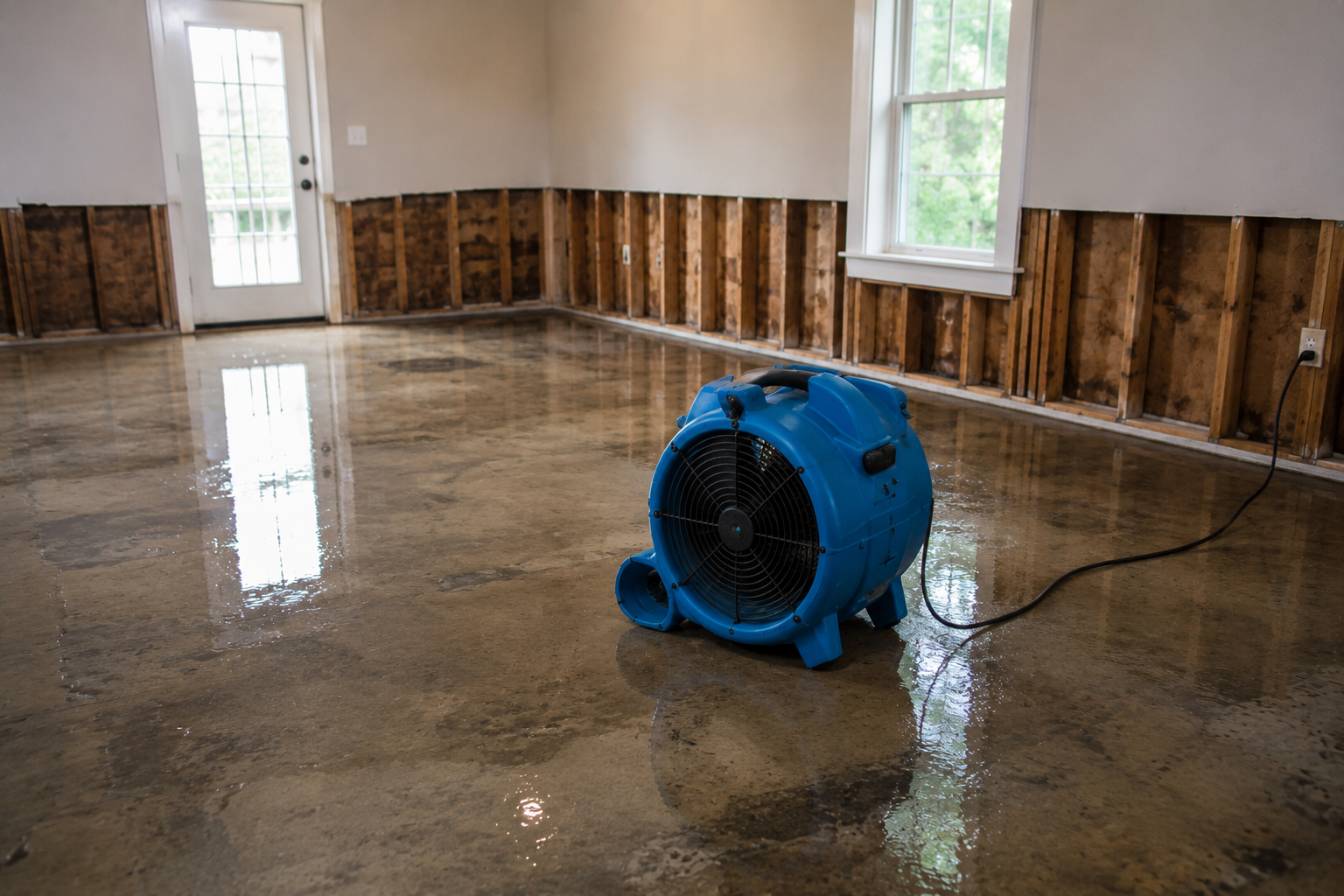
When water damage hits a Minneapolis home, the instinct is to call the first company that comes up in a search and get someone out there fast. That instinct is right about speed. It is wrong about skipping the vetting. Not every company that answers a water damage call does the job correctly, and an incorrect remediation job can leave moisture behind walls that produces mold for months. In a market with as many national franchises, storm chasers, and independent crews as the Twin Cities metro, knowing the right questions to ask before anyone starts work protects you significantly.
I have spent 12 years doing this work in Minneapolis, and I have seen the aftermath of jobs where the wrong company got there first. Here are the questions that separate companies who do this correctly from those who do not.
1. Are You IICRC Certified?
The Institute of Inspection, Cleaning and Restoration Certification is the recognized industry body for restoration standards. IICRC certification means the company follows documented protocols for water damage mitigation, structural drying, and mold remediation. These are not suggestions. They are the standards that insurance carriers and adjusters use to verify that work was completed correctly.
A company without IICRC certification can still do good work, but you have no standardized benchmark to measure them against. Ask specifically whether the crew being dispatched to your property holds IICRC WRT (Water Restoration Technician) certification, not just whether the company has a certificate on the wall.
2. Are You Licensed and Insured in Minnesota?
Minnesota requires contractors performing restoration and remediation work to be properly licensed depending on the scope of work performed. General liability insurance protects you if something goes wrong during the job. Ask for proof of both. Any reputable company will have certificates available to share before work begins. If a company resists this question or gives you a vague answer, move on.
3. What Moisture Documentation Do You Provide?
Proper water damage restoration produces a paper trail. Ask what documentation the company provides during and after the job. You should expect moisture mapping diagrams showing initial readings, daily monitoring logs tracking drying progress, final clearance readings confirming the structure has returned to dry standard levels, and photo documentation of affected areas before and after. This documentation is what your insurance adjuster uses to verify scope and approve the claim. It is also your protection if a dispute arises later.
A company that cannot clearly describe what documentation they produce is either not doing the monitoring or not recording it. Either one is a problem.
4. How Fast Do You Respond at 2 a.m. on a Sunday?
Water damage happens when it happens. A pipe bursts in January at midnight. A sump pump fails during a Sunday afternoon thunderstorm and the basement fills while you are not home. Ask the company directly: if I call you right now at 2 a.m. on a Sunday, how fast can you have a crew at my Minneapolis property?
The honest answer should be a specific number, not a marketing phrase. “We respond in about 60 minutes” is more credible than “we’re available 24/7.” Ask whether the person who answers after hours is a dispatcher who then calls a crew, or whether crews are on standby. The distinction matters when the first hour determines how much damage gets done.
5. Do You Bill My Insurance Company Directly?
Dealing with your adjuster while also managing an active water damage situation is stressful. Many qualified restoration companies handle insurance billing directly, which means they submit documentation to your carrier and work from the insurance scope rather than requiring you to pay out of pocket and wait for reimbursement.
Ask specifically: do you bill the insurance company directly, or do I pay you and get reimbursed? Also ask: do you work with all major carriers, including my carrier? If the company has not worked with your carrier before, that is a potential friction point in the claim process worth understanding upfront. Learn more about how water damage restoration and insurance documentation work together.
6. Will You Use Your Own Equipment or Rent It?
Restoration companies that own their commercial-grade equipment can deploy it immediately and maintain it properly. Companies that rent equipment may face availability issues during high-demand periods, such as after a major Minneapolis storm event when dozens of properties need drying equipment simultaneously. Ask whether the company owns the dehumidifiers, air movers, and extraction units they will be bringing to your property.
Also ask how many pieces of equipment they plan to place. A job with three air movers and one undersized dehumidifier will not dry a large basement or a multi-room water event correctly. If the plan sounds light for the scope described, push back.
7. Can You Provide References From Recent Jobs in Minneapolis?
A company doing good work in the Minneapolis metro should be able to point you to recent customers willing to discuss their experience. Ask for two or three references from jobs completed in the past six months. Specifically ask for references from jobs that involved insurance claims, since that is the most complex part of the process and where company quality shows most clearly.
You can also check the company’s Google Business Profile for recent reviews from Minneapolis homeowners. Look for patterns in the reviews rather than individual outliers. Consistent mentions of clear communication, accurate documentation, and adjuster cooperation are positive signals. Consistent mentions of missing follow-up or billing surprises are red flags.
Red Flags to Watch For
Beyond those seven questions, here are the situations that should make you pause before signing anything:
- A company that requires full payment before work is complete or before your adjuster has reviewed the scope
- A company that cannot produce proof of insurance on request
- A technician who gives you a verbal estimate only with no written documentation
- Any company that promises to “make the claim work out” without assessing the actual damage first
- A crew that places equipment and then disappears for days without checking moisture readings
- Any company that discourages you from contacting your insurance company directly
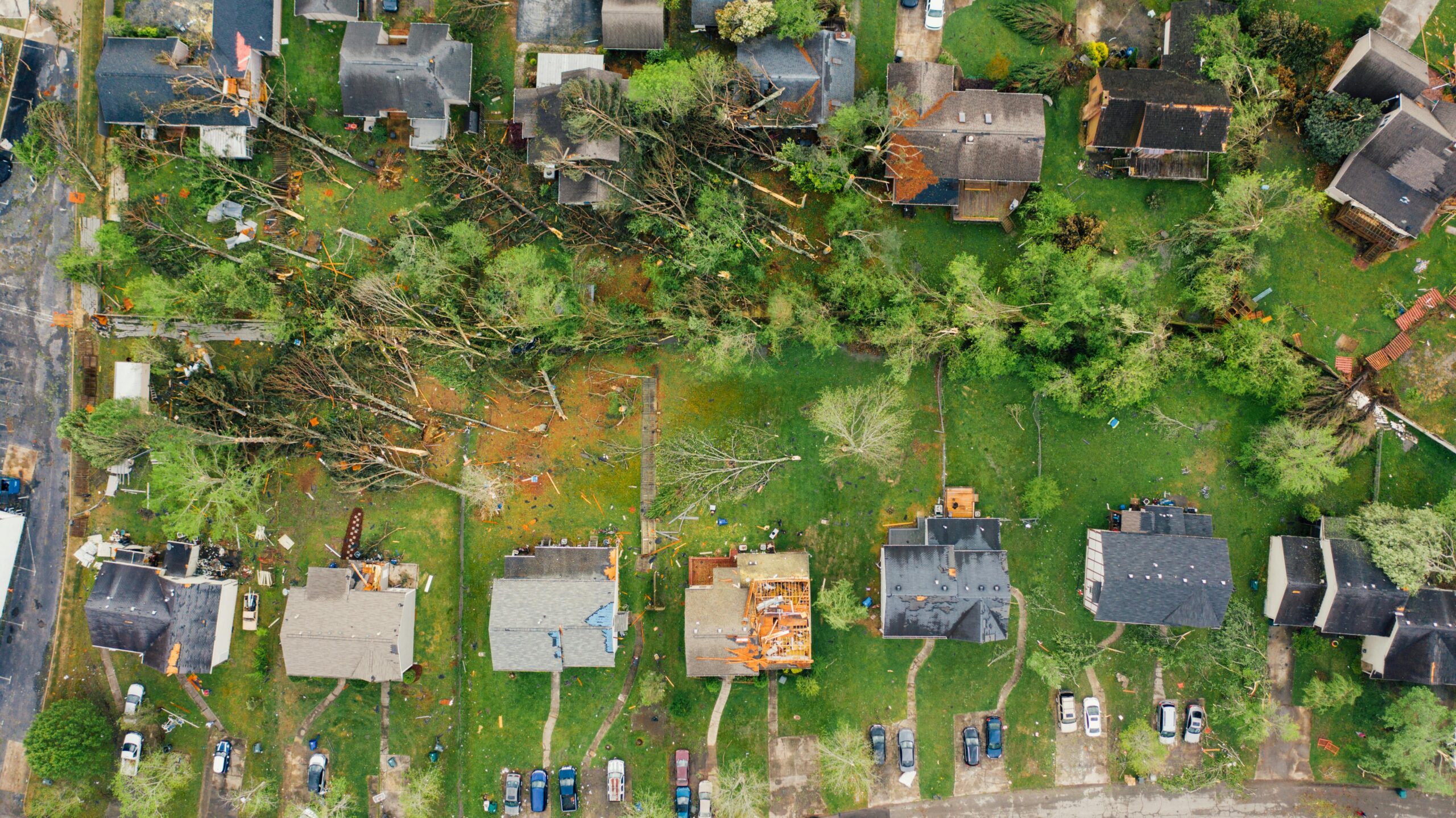
- Storm chaser companies with out-of-state phone numbers and no local track record in Minneapolis
The right company for a Minneapolis water damage job is one that treats documentation as seriously as the physical work, communicates clearly throughout the job, and leaves you with a complete file that holds up when your adjuster reviews it. That is the standard we hold ourselves to. Read more about what to look for on our About page.
Frequently Asked Questions
Verify IICRC certification, confirm licensing and insurance for Minnesota, ask about moisture documentation practices, and check how fast they can realistically respond at any hour. Ask for local references specifically from jobs that involved insurance claims. Avoid any company that asks for full payment before the work is complete or that cannot provide proof of insurance on request.
Yes. IICRC certification means the technician follows documented, peer-reviewed protocols for water extraction, structural drying, and mold prevention. These are the standards Minnesota insurance adjusters use to evaluate whether remediation was performed correctly. A job done without IICRC-standard protocols can result in incomplete drying, missed moisture, and insurance claim disputes. It also means no objective benchmark exists to verify the work was sufficient.
At minimum, you should receive a written scope of work describing what will be done, a list of equipment to be placed, an estimate of the cost (even if it will be billed through insurance), and authorization forms. During the job, you should receive daily moisture readings and monitoring logs. After the job, you should receive a final moisture clearance report with before and after readings. Any company that cannot provide these documents should be questioned closely before work begins.
For structural work and rebuild after water damage is dry, a licensed general contractor is appropriate. For the mitigation phase, meaning extraction, drying, and mold prevention, a certified restoration company with IICRC credentials is strongly recommended. General contractors typically do not have the moisture monitoring equipment or drying protocols needed for proper mitigation, and many insurance carriers require IICRC-standard documentation to approve mitigation claims.