
Flood Cleanup Minneapolis Minnesota | Water Out Fast, Home Restored Right
Standing water in your Minneapolis home carries bacteria, contaminants, and structural risk. We respond 24/7 and get it out fast.
(507) 468-7883 – Call NowQuick Answer
Flood cleanup in Minneapolis involves extracting standing water, drying all structural materials, treating contaminated surfaces, and testing to confirm moisture levels are safe. The process takes 3 to 7 days depending on water category and affected area. Standing water from external flooding is classified as Category 3 and requires full contamination protocols.
Flood cleanup in Minneapolis, Minnesota is not the same as drying up a sink overflow. External flooding, storm water intrusion, and sewer backup all bring contaminated water into your home. Standing flood water in the Twin Cities area can contain bacteria, sewage, chemicals from roadway runoff, and sediment from the clay soils that blanket most of Hennepin and Ramsey counties. We handle the full cleanup with the proper equipment and protocols for each water category.
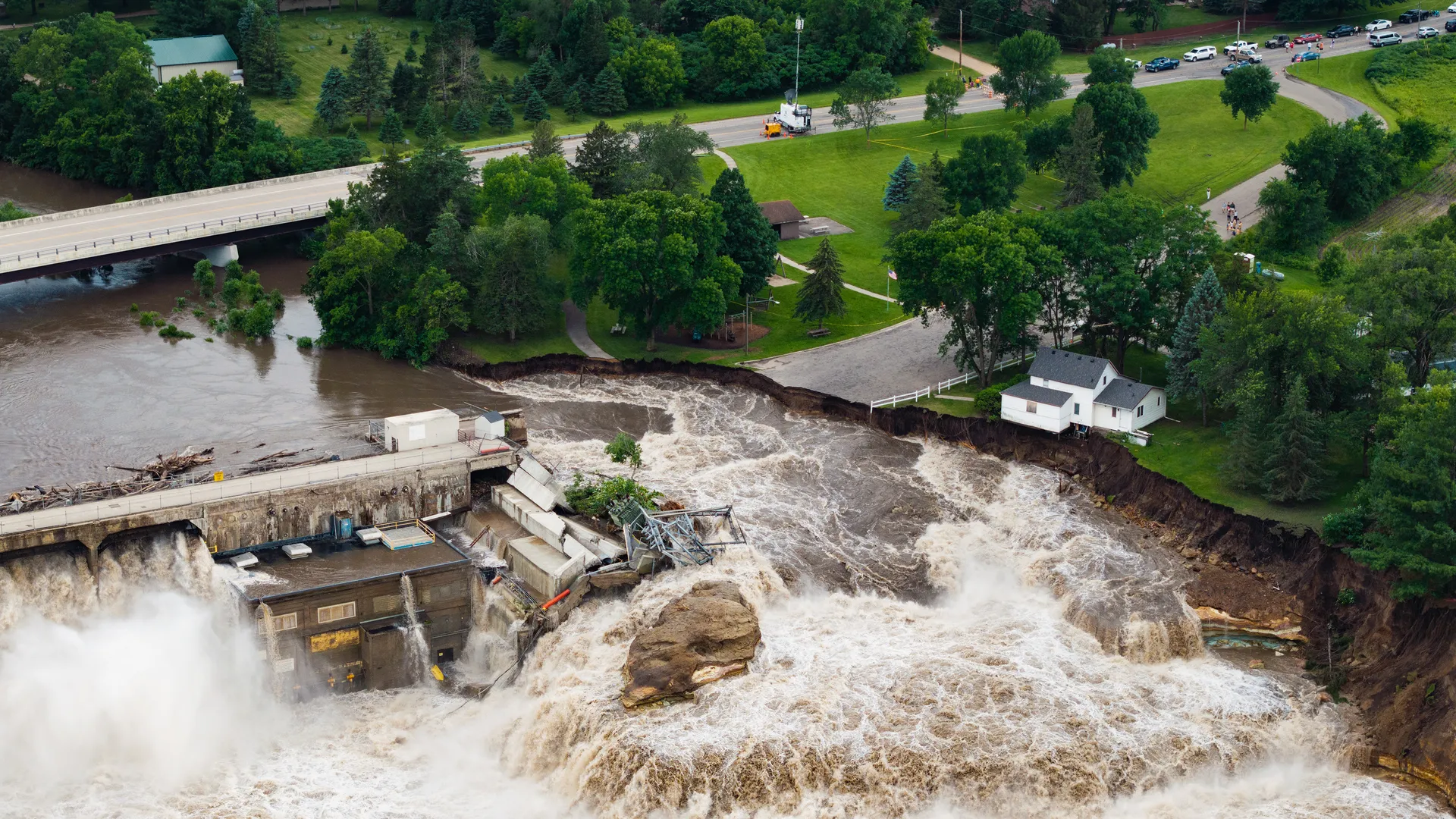
Local Flooding Types in Minneapolis
Minneapolis flooding comes from several distinct sources, and understanding which one hit your property shapes how we respond.
Mississippi River Overflow
Properties in the floodplain along the river corridor, including parts of North Minneapolis and the Longfellow neighborhood, face genuine river overflow risk during major snow melt and heavy spring rain. The Mississippi River Flood of 1965 set a gauge record that FEMA still references for flood insurance mapping in this region. Homes in the 100-year floodplain require elevation certificates and face higher flood insurance requirements under the National Flood Insurance Program.
Minnehaha Creek and Nine Mile Creek Flooding
Minnehaha Creek runs from Gray’s Bay on Lake Minnetonka through Minneapolis before emptying into the Mississippi near the Parkway. When storms drop more than two inches of rain within 24 hours, the creek can overflow its banks and push water into basements along its corridor in neighborhoods like Fulton and Linden Hills. Nine Mile Creek behaves similarly in the western suburbs including Eden Prairie and Edina.
Storm Drain Backup and Surface Flooding
The Mini Apple’s combined sewer system in older neighborhoods struggles with heavy summer storms. When catch basins are blocked or the system is overwhelmed, surface water backs up into low-lying properties. This is Category 3 water by IICRC classification and must be treated as contaminated.
Snowmelt Flooding
Minneapolis averages over 54 inches of snow annually. A rapid warming event in March can move that snowpack into liquid quickly, overwhelming drainage systems and pushing water against foundations. Neighborhoods built on flat terrain with poor grade, including parts of South Minneapolis, are most vulnerable.
Health Risks of Standing Water
Standing water from external flooding is not safe to walk through without protection. Bacteria including E. coli and Salmonella can survive in flood water for days. Flood water also carries mold spores, chemical contaminants from roadway runoff, and in some cases sewage. Children and anyone with compromised immune systems face the highest risk.
Do not run your HVAC system while standing water is present. It circulates contaminants through your ductwork and into every room of the home. Turn it off at the breaker until we assess the situation.
Category 3 Water Protocols
External flood water is classified as Category 3 (also called black water) under IICRC standards. Category 3 cleanup involves full personal protective equipment for technicians, aggressive treatment of all affected surfaces with EPA-registered antimicrobials, and removal of any porous materials such as carpet, carpet pad, and drywall that cannot be decontaminated. We document category classification and the corresponding treatment decisions in every job file, which supports your insurance claim.
Insurance Documentation for Minneapolis Flood Claims
Standard homeowners insurance in Minnesota does not cover ground flooding. Flood damage from external sources requires a separate National Flood Insurance Program policy or private flood coverage. However, storm drain backup and sudden water intrusion through a failure point in the structure may be covered under your standard policy. We help you document every detail so your adjuster can make the correct determination.
For information on flood insurance options in Minnesota, visit FEMA’s flood preparedness resource at ready.gov/floods. For additional restoration detail, visit our water damage restoration page or learn about mold remediation if mold was already identified.
Frequently Asked Questions
Flood Cleanup Service Area
We serve Minneapolis and all communities within 50 miles for flood cleanup and water extraction, available 24/7.
Describe Your Flood Situation
Tell us what happened and we will respond quickly. For immediate help, call (507) 468-7883.